
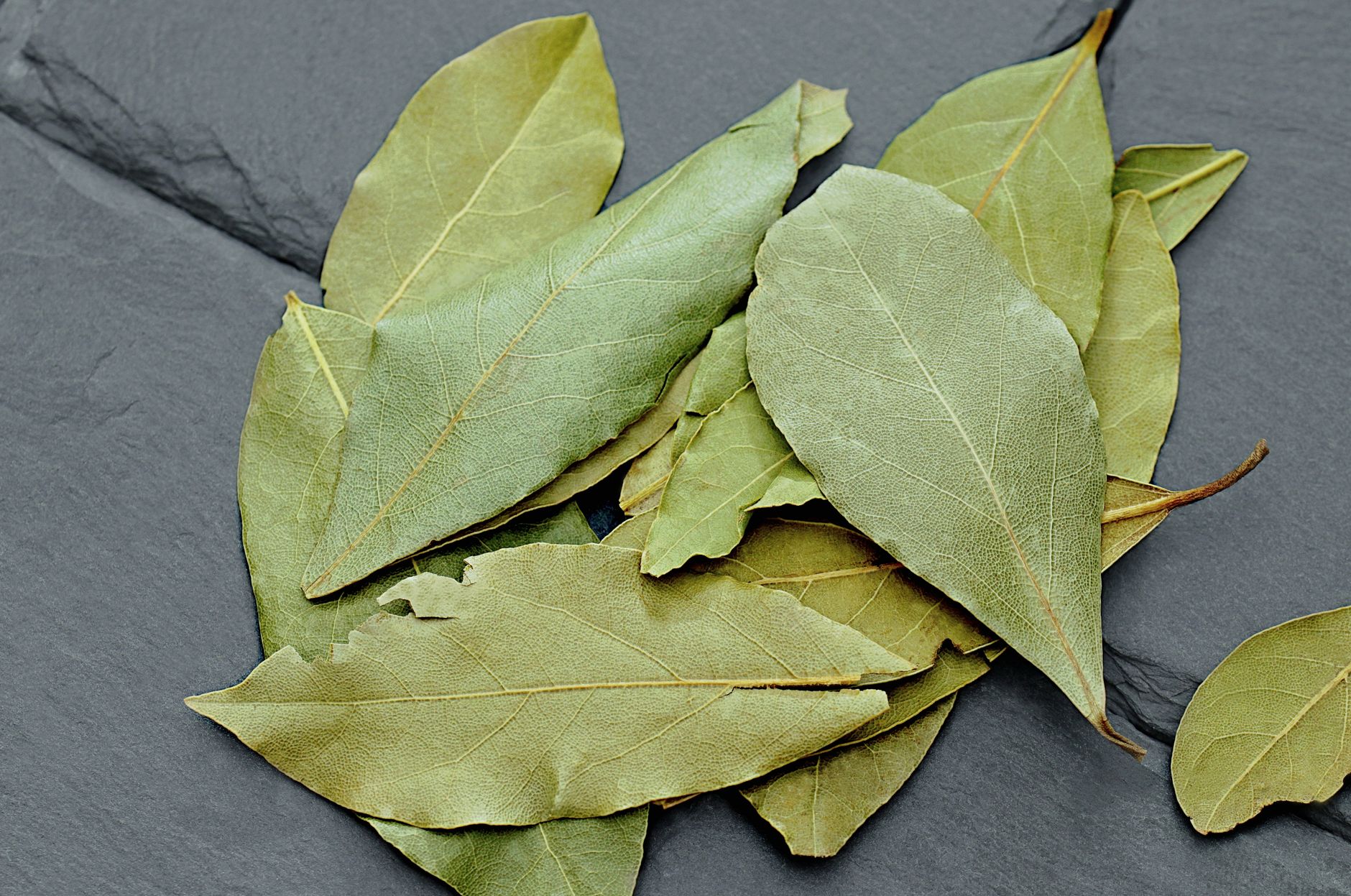
Bay leaves offer prominent health benefits like blood sugar regulation and digestive support, but they must be removed from dishes prior to serving to avoid severe physical choking and digestive tract hazards. Beyond this classic herb, several other culinary and aromatic plants provide similar earthy flavors or therapeutic properties.
Harnessing the Power of Bay Leaves: Uses, Pros, Cons, and 10 Similar Plants
Introduction
The bay leaf (Laurus nobilis), originating from the Mediterranean region, has been revered since antiquity. Once woven into crowns for Roman emperors to symbolize victory, it is now an indispensable staple in kitchens worldwide. While celebrated for its ability to ground complex soups, stews, and sauces with a subtle, woodsy depth, this ancient leaf also harbors a robust profile of wellness benefits and physical precautions.
Culinary and Medicinal Uses
Bay leaves are unique because they are primarily used as an infusion agent rather than a direct food ingredient.
-
- Slow-Cooked Infusions: They are simmered in stocks, braises, stews, and marinades to release their essential oils—linalool, cineole, and eugenol—which cut through heavy fats and add a herbal complexity.
- Herbal Teas: Steeping dried bay leaves in boiling water creates a soothing, fragrant tea often used to settle upset stomachs.
- Aromatherapy and Topicals: Diluted bay leaf essential oil is utilized in steam inhalations to clear respiratory congestion or blended into massage oils to ease sore muscles.
Pros: The Health Benefits
Integrating bay leaves into your cooking or wellness routine offers several evidence-based advantages:
-
- Blood Sugar Optimization: Studies show that active compounds in bay leaves enhance insulin sensitivity, assisting in managing type 2 diabetes by lowering glucose levels.
- Digestive Acceleration: Bay leaves stimulate gastric juices, effectively reducing bloating, flatulence, and general indigestion while protecting the stomach lining.
- Cardiovascular Support: The caffeic acid and rutin found in bay leaves strengthen capillary walls in the heart and help reduce LDL (“bad”) cholesterol.
- Anti-Inflammatory Action: Containing a unique phytonutrient called parthenolide, bay leaves help mitigate systemic inflammation, offering mild relief for joint pain and arthritis.
Cons: Risks and Side Effects
Despite their natural origins, bay leaves present sharp risks if misused:
-
- Physical Choking and GI Hazard: The whole leaf is structurally dangerous to consume. Bay leaves remain stiff, rigid, and sharp even after hours of cooking. If swallowed, they can lodge in the throat or physically scratch, tear, or pierce the lining of the stomach or intestines.
- Hypoglycemia: Because they actively lower blood sugar, consuming medicinal quantities alongside prescribed diabetes medications can cause blood glucose levels to plummet dangerously.
- Surgical and Sedative Interactions: Bay leaves slow down the central nervous system. Combining large medicinal doses with anesthesia or sedative medications can lead to excessive drowsiness. They should be avoided for two weeks prior to any surgery.
10 Plants Like Bay Leaves
If you run out of bay leaves or are looking for botanicals that share similar flavor notes, aromatic profiles, or medicinal virtues, consider these ten alternatives:
1. California Bay Leaf (Umbellularia californica)
-
- How it’s similar: This is the closest cousin to the Mediterranean bay leaf.
- Characteristics: It looks almost identical but features a much more intense, punchy, and menthol-like flavor. Use only half the amount called for in recipes.
2. Indian Bay Leaf (Cinnamomum tamala)
-
- How it’s similar: Also known as Tejpatta, these leaves are essential in North Indian curries and biryanis.
- Characteristics: Visually distinct with three longitudinal veins, they taste less like pine and more like a warm mixture of cinnamon, clove, and allspice.
3. Boldo Leaves (Peumus boldus)
-
- How it’s similar: A South American native used heavily for its therapeutic, woodsy properties.
- Characteristics: While rarely used in cooking, boldo leaves are brewed into teas that mimic bay leaf’s intense digestive benefits, acting as a powerful liver and gallbladder tonic.
4. Mexican Oregano (Lippia graveolens)
-
- How it’s similar: Shares the underlying herbal, camphoraceous, and citrusy notes found in bay leaves.
- Characteristics: It brings a bright, earthy pungency to slow-cooked Mexican stews and chilis, standing in beautifully when a deep, savory foundation is needed.
5. Thyme (Thymus vulgaris)
-
- How it’s similar: Thyme contains thymol, which mirrors the earthy, slightly floral, and woodsy aromatic qualities of bay leaves.
- Characteristics: It is the best everyday culinary substitute for bay leaves in European stews, stocks, and roasted meats.
6. Curry Leaves (Murraya koenigii)
-
- How it’s similar: They are shiny green leaves used to infuse hot oil and liquid bases before being discarded or eaten.
- Characteristics: Though the flavor is completely different—leaning heavily toward citrus, nutty, and sulfurous notes—they serve the exact same structural purpose in South Asian cuisine as bay leaves do in Western cooking.
7. Kaffir Lime Leaves (Citrus hystrix)
-
- How it’s similar: Used as a whole-leaf aromatic infusion that cuts through rich, fatty liquids.
- Characteristics: They deliver a distinctly vibrant, electrifying citrus and lime aroma rather than an earthy pine flavor, making them the backbone of Thai soups and curries.
8. Allspice Leaves (Pimenta dioica)
-
- How it’s similar: The leaves of the allspice tree contain high amounts of eugenol, the exact same chemical compound that gives bay leaves their signature clove-like undertone.
- Characteristics: Popular in Caribbean cuisine, they are infused into stews and jerks to provide an incredibly deep, warm, and peppery aromatic base.
9. Eucalyptus (Eucalyptus globulus)
-
- How it’s similar: Shares a high concentration of cineole, giving it the sharp, medicinal, and respiratory-clearing aroma found in crushed bay leaves.
- Characteristics: Strictly non-culinary. Eucalyptus cannot be eaten, but like bay leaf, its leaves are dried and steeped for therapeutic steam inhalation to relieve congestion.
10. Sage (Salvia officinalis)
-
- How it’s similar: Contains a strong, savory, pine-and-citrus flavor profile that holds up well during long cooking times.
- Characteristics: Sage matches the robust, slightly bitter depth of bay leaves, making it an excellent alternative for heavy, meat-centric dishes and comforting winter root vegetable roasts.